Case Study: The Integrated Farm
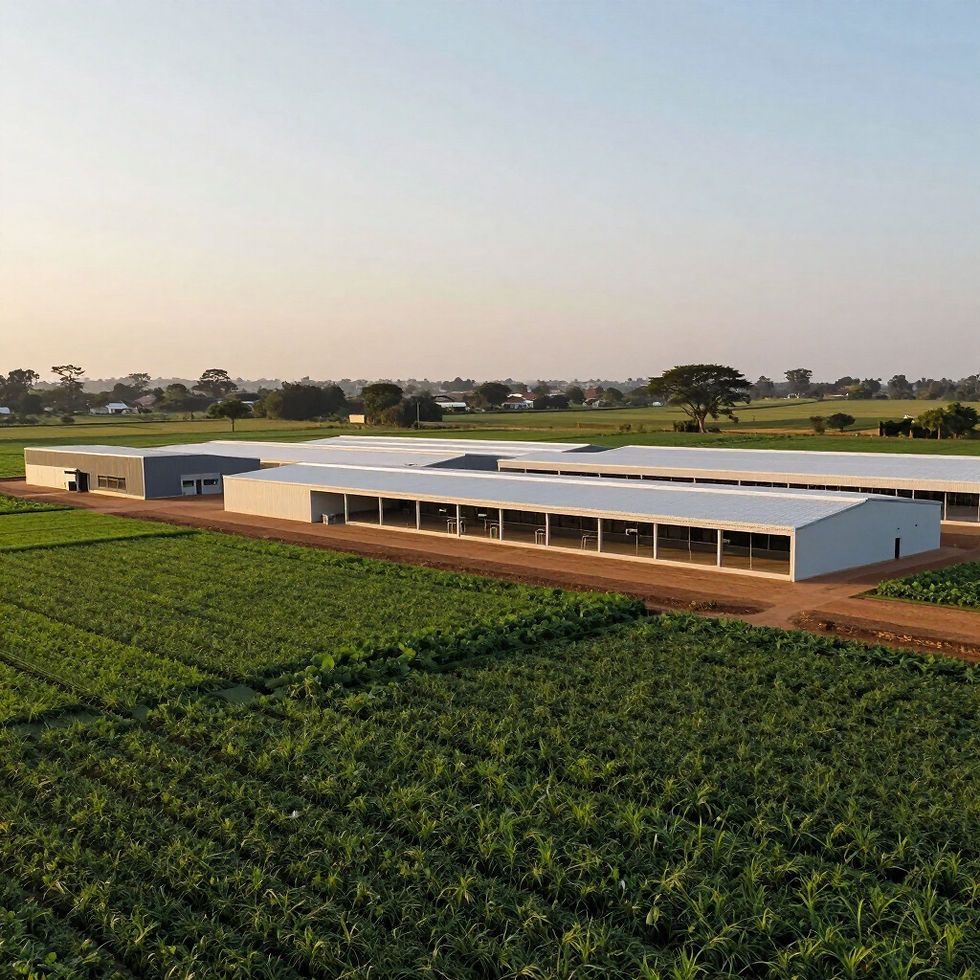
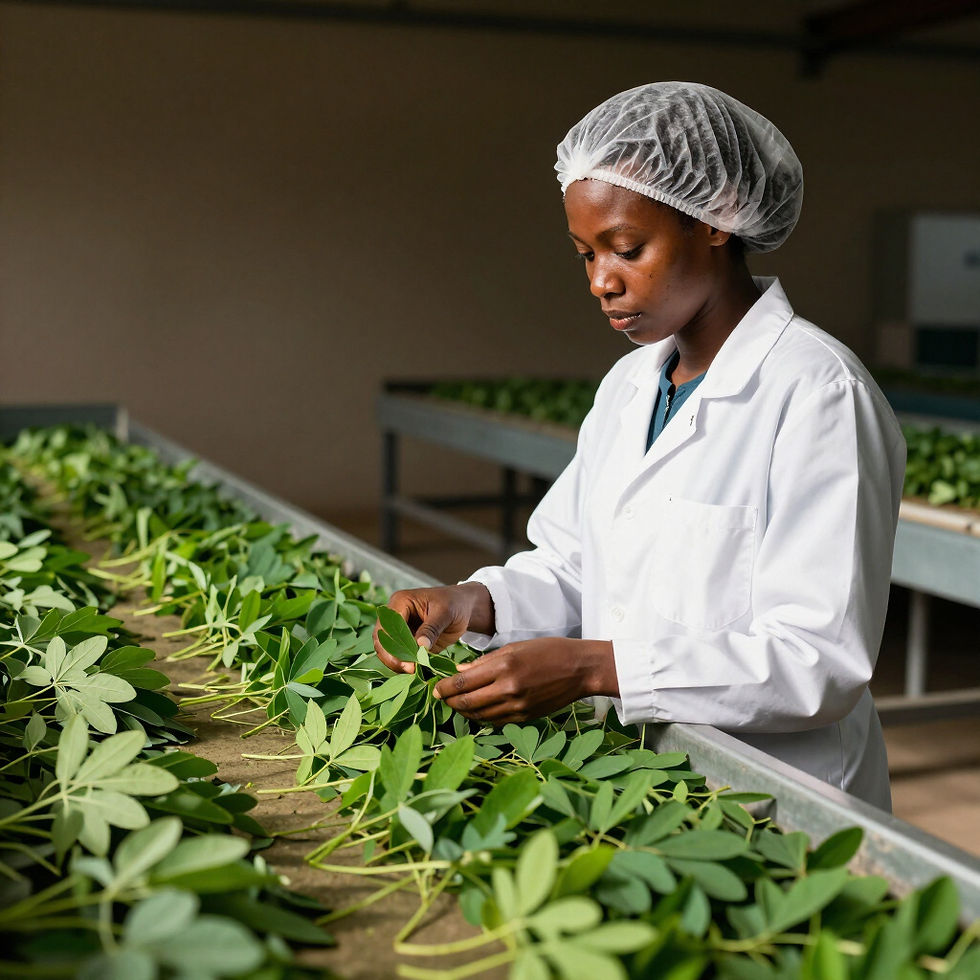
Elena, a RUAIPP learner, transformed her family land into a climate-smart bio-enterprise by integrating processing directly at the source. Following the Academy journey, she bridged the gap between raw production and market value. By establishing a localized primary processing unit, Elena met rigorous buyer requirements for organic certification and traceability.
Her success culminated in a strategic partnership with an international retailer, ensuring stable market connection and higher margins. This narrative plan illustrates how aligning with global industrial standards enables rural farmers to become competitive players in the agricultural value chain.
Buyer Requirements & Market Alignment
The final step in your journey focuses on aligning production with specific buyer standards, ensuring your enterprise meets global market certification and quality protocols from the outset.

Certification Compliance
Learn to implement Good Agricultural Practices (GAP) that meet the stringent requirements of international retail and bio-industrial buyers.

Quality Logistics
Integrate cold chain and processing standards to reduce post-harvest loss and maintain product integrity for global distribution networks.

Contract Agriculture
Understand how to navigate buyer contracts and market pricing mechanisms within FPI's Agriculture-Based Clusters (ABC).

Global Traceability
Implement digital tracking tools provided in the Academy to prove provenance and environmental restorative practices to ESG investors.